Branding vs Conversion ads, How to Build Trust
Awareness advertising is not useless.
Many small business owners feel that awareness advertising is useless, since the conversion metrics on awareness-optimized ads tend to be lower than conversion focused, but that does not mean they are useless.
The point of awareness ads is to pull more people into the sphere of influence you have as a brand, and create initial trust signals. That process, if done properly, makes it so that there are more people at every level of awareness in your entire funnel, and allows conversion-focused ads to actually perform at scale.
If you prefer video, we have this version for you:
How does Awareness Improve Conversion Ad Results?
There are 3 ways that awareness ads improve overall throughput of the business.
Trust
The first is trust. If trust is improved, website conversions increase, CTR increases, and the LTV of consumers increases through repurchasing over time.
Trust is improved in two different ways on awareness ads. The first is showcasing the ability to solve a problem effectively. If you can articulate the problem someone is experiencing, they are more likely to believe you can solve their problem.
The second way is through repeated exposure. It takes somewhere between 7-60 ad views for a person to want to work with your brand. That means you just need a lot of views for your products to effectively generate sales from ads.
The Number of Potential Customers
When you start advertising on Meta, you are advertising to the "Fully aware" or "Product aware" stage. This means that Meta analyzes your brand, headlines, ad, offer, website, and everything else they can, to find people who either already know about your brand, or at least know about similar brands.
This artificially acts as "post-awareness" ad samples, because all of the other companies in the space increased their awareness. But, what happens when you try to increase your budget?
Suddenly, there aren't enough people since you did not invest in awareness ads first.
By running awareness ads, you have made it so that there are more people who have become more aware of your product, its benefits, and your attraction offers. As people see more of your ads, all of your ads improve.
Branding, and Long Term Growth
Coca-Cola can spend almost nothing to acquire a customer. Everyone knows that Coke is at this point, and acquiring a new customer comes primarily through word of mouth, and when they run ads for new product launches. This same rule applies to most large drink brands.
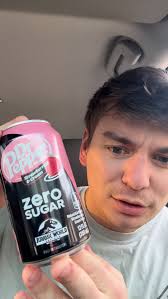
When Dr. Pepper released a strawberry cream flavor, millions of people bought it, after having seen only one ad. They already liked Dr. Pepper, and were curious about if this flavor would be good.
If you released a strawberry drink tomorrow, you would not get these results. That is because you have not facilitated ample awareness, interest, and finally trust in your brand.
The image here showcases an influencer showcasing the Dr. Pepper new launch, which created free awareness for Dr. Pepper. This also relates to hooks, and how to get people to actually watch your ads. We wrote an article on that here.
How do I get Conversions Then?
Well, you very likely will have to wait to be clear. However, if you have strong enough margins, you should run a 70/30 split if your goal is long term growth. 70% into awareness ads, showcasing your product in action, its benefits, and the problems it solves. You can send people to landing pages, YouTube videos, or articles like these, that I use for Affilicademy, to increase awareness to an even deeper level.
Then, 30% goes to advertising with conversion intent. Offers, sales, promotions, and other ads that are designed to target your most motivated audience. Then, use the sales from that to continue to advertise at the awareness level.
You will see your CPA go down, your CTR go up, and your overall brand grow.
What Type of Awareness Ads Should I Run?
Well, it does depend on your business. For businesses in the beauty sector, before and after, influencer partnerships, and affiliate content will work best. It shows that there is social interest, and clear benefits.
For service businesses, owner testimonial/story content, before and after, and problem-->solution content is best.
In general - if there is a clear problem you solve, show that. If it is more of a gimmick or quick purchase, just show it in action.
Specific Details For Your Brand
This article showcases the outline and benefits to how much money you should spend on ads, what each segment of ads should look like, but does not include specific ad ideas or templates. For that, the best option is to fill out this form, and I will give you ideas - no purchase or obligation.
https://affilicademy.com/10freeugc
DFY Advertising, with a Free Trial
Now to be clear, our free trial will not build you into the next Dr. Pepper, but if you want to see increased ad returns, and test it out before you pay me a dime, than fill out the form, and I will implement these strategies, along with all of my other advertising tools, for free, and then on a profit split.
https://affilicademy.com/10freeugc
Glossary
Click-Through Rate (CTR) - full article
Click-through rate is the percentage of users who click on an ad after seeing it, indicating how compelling and relevant the ad is.
Cost Per Acquisition (CPA) - full article
Cost per acquisition is the total cost required to generate a customer or conversion, combining traffic costs and conversion performance.
Cost Per Click (CPC) - full article
Cost per click is the average amount paid for each click, primarily influenced by CTR and CPM within the ad auction.
Cost Per Thousand Impressions (CPM) - full article
CPM is the cost to deliver 1,000 impressions, affected by competition, audience targeting, and engagement signals.
Lifetime Gross Profit (LTGP)
Lifetime gross profit is the total expected profit generated from a customer over their lifetime, before accounting for acquisition costs.
Conversion Rate - full article
Conversion rate is the percentage of users who take a desired action after clicking an ad, such as making a purchase.
Ad Fatigue - full article
Ad fatigue occurs when an audience has seen the same creative repeatedly, leading to declining CTR and rising costs.
ICP- full article
Ideal Customer Profile, or the one person who your ads target specifically. This should be the perfect buyer for your product.
Hook -full article
The first 3-10 seconds of a short form video, which is designed to get viewers interested in the rest of your video.