8 Examples of Amazing Food Ads You Can Steal
The Sense You Can't Sell (And How to Sell It Anyway)
High-converting ad hooks for the food niche, and why most brands are writing copy for the wrong sensory channel.
Food is arguably one of the hardest thing to sell online. There's no smell. No taste. No texture on your fingers when you crack open the box. You're asking someone to pay real money for something they can't experience until after the transaction, and you're doing it on a five-inch screen in a distracted scroll.
Most brands treat this like a copywriting problem and reach for words like "delicious" and "mouth-watering." The problem with that is that they're trying to sell the wrong sense entirely.
This Article Has a Video Version!
I filmed this for those who prefer watching, but still want great information.
What's actually happening when someone stops scrolling
When a food ad performs, it's because something in the first two seconds triggered a physical response, a micro-craving, a moment of recognition, a feeling that said "that's exactly what I need right now."
The brain processes images 60,000 times faster than text, and in a scroll environment, your ad has roughly 1.5 seconds to create that response before it's gone. So how do you use imagery right?
I spent a few months testing Meta ads for a specialty condiment brand, and the copy-led creatives consistently lost to visuals that led with a close-up of a pour, a crunch, or a bite.
That was because we were finally speaking the right language.
"You're selling the anticipation of food instead of the food itself. The moment when you go 'I think a steak sounds excellent right now.' The feeling of your stomach growling and envisioning the perfect bite."
The hooks that actually work
After running these patterns across multiple food accounts, a handful of hook types consistently outperform everything else. They each work for a different psychological reason, and knowing which one to use when is what separates operators who scale food brands from those who stay stuck at $50/day ad spend.
The Swap Hook · Health / Value
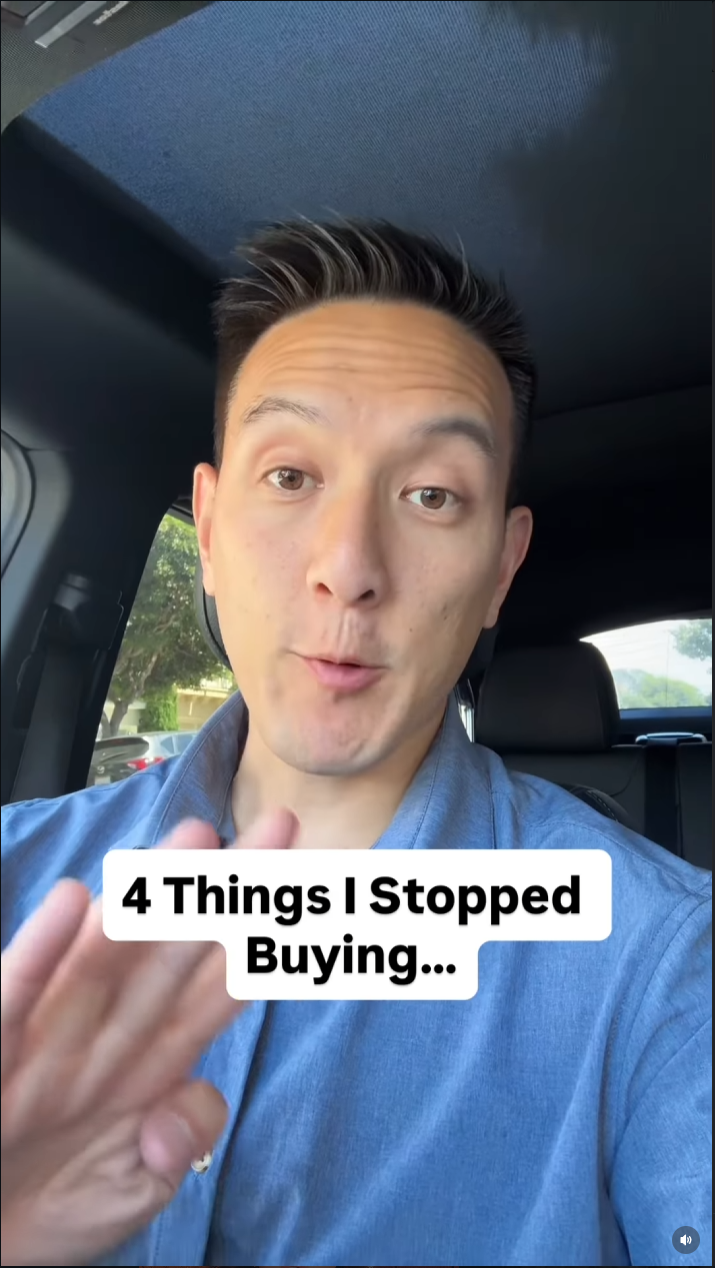
"I stopped buying [Name Brand] and did this instead..."
This works because it triggers a status comparison. The viewer immediately asks themselves: "Am I the person still buying the dumb thing?" It speaks directly to the ICP who already buys in this category, someone who cares about what they're eating and is open to upgrading. You're not convincing a stranger. You're speaking to someone who is already in-market and needs a nudge toward your product specifically.
The Secret Hook · Transparency
"This is what actually goes into most restaurant [Product]..."
Transparency is one of the highest-converting emotional levers in food because it activates both fear and relief. The viewer expects something uncomfortable, watches to confirm their suspicion, and then positions your brand as the clean alternative. Works particularly well for health-forward products and anything competing against a commoditized restaurant or grocery category.
POV Experience · Atmosphere
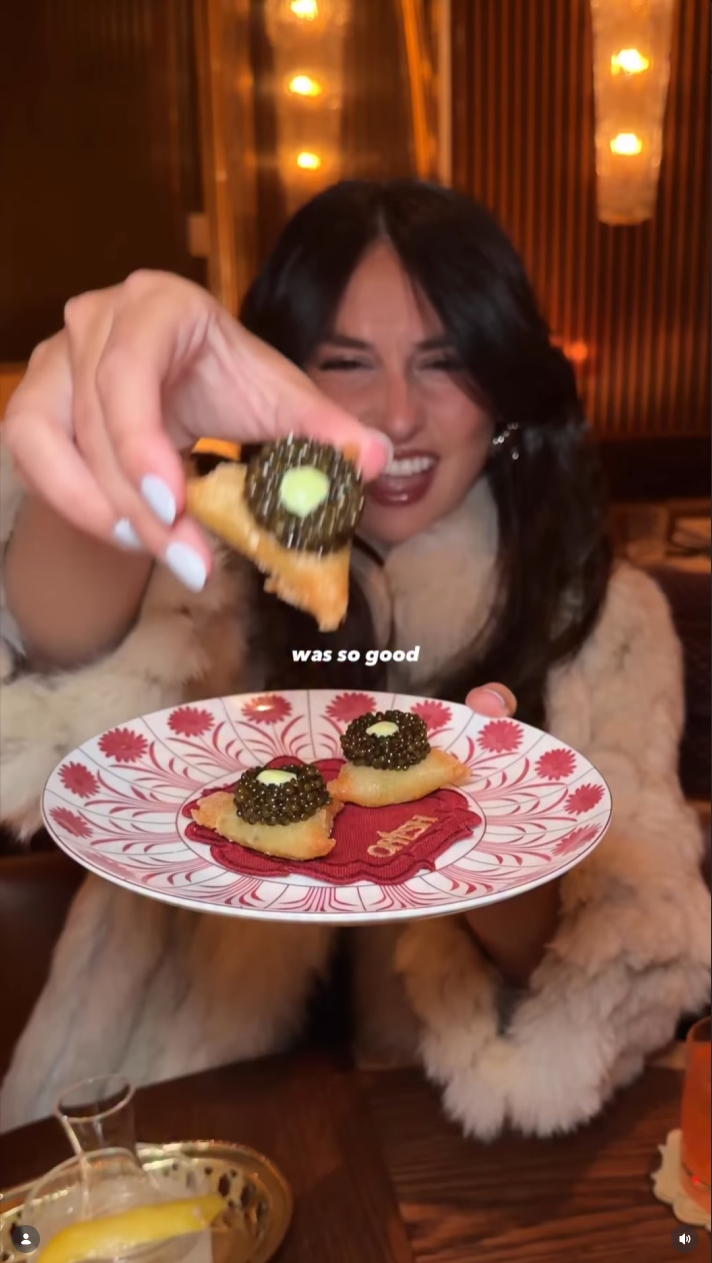
"POV: You found the perfect cozy coffee spot on a rainy morning"
This one sells feeling, not product. It works on aspirational identity, they're buying the version of themselves that has slow, intentional mornings. For brands with a lifestyle dimension (specialty coffee, artisan goods, meal kits with a "home cook" identity), this hook generates outsized engagement and warm traffic that converts well over a longer retargeting window.
Visual Craving · ASMR
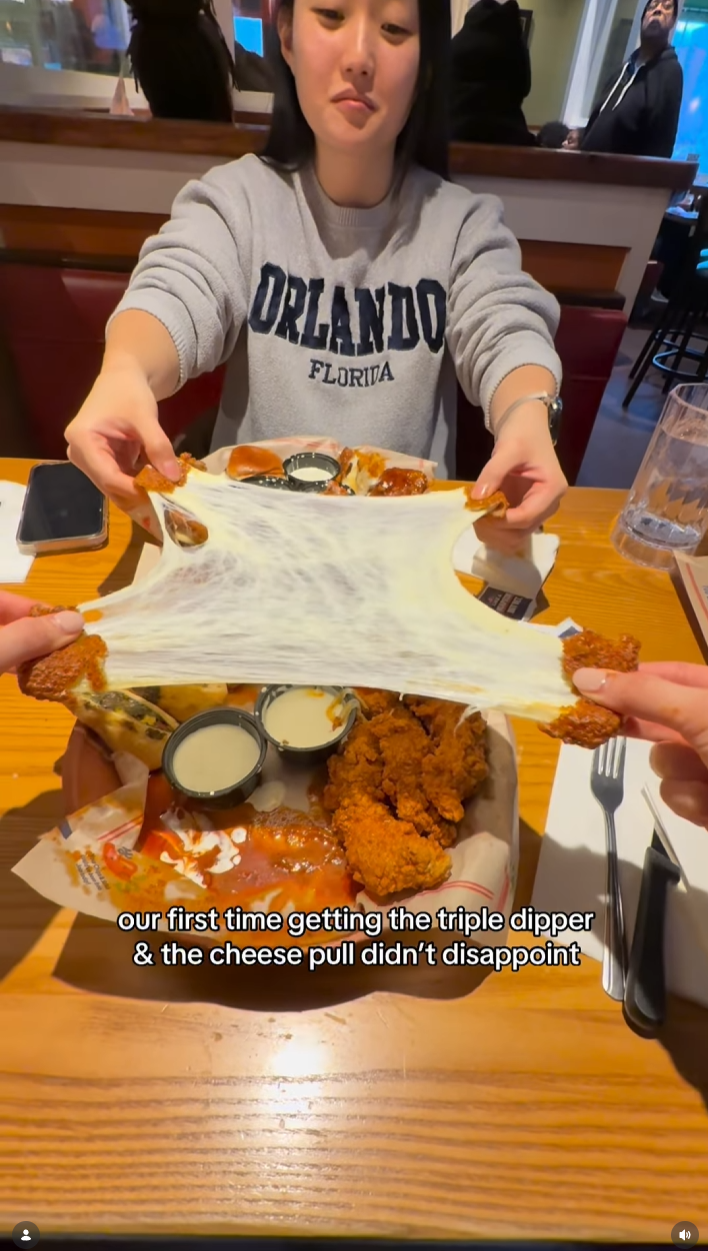
A 3-second, high-definition, slow-motion shot of a cheese pull, drizzle, or crunch
No words needed. The mechanism here is pure sensory proxy - the brain's mirror neurons activate in response to visual food cues in a way that's close to actually tasting the thing. The key is production quality. A bad slow-motion drizzle does nothing. A beautifully lit, crisp, high-frame-rate pour of caramel onto ice cream triggers a physiological response. This is the highest-upside hook in the food niche when executed well.
The Unboxing Hook · Surprise
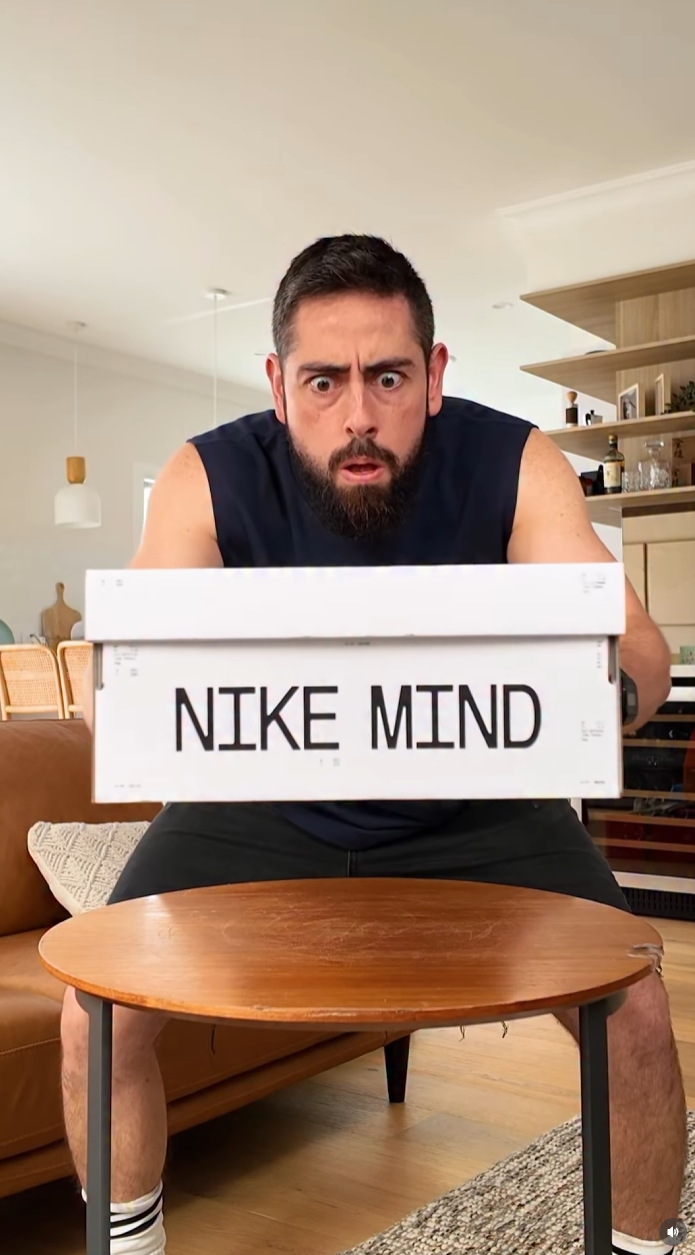
"I can't believe this is what I got in my [Brand Name] box"
Surprise and delight are hard emotions to manufacture, and when they feel real, they convert. This hook works best for subscription boxes, curated bundles, or limited releases. The UGC-style framing ("I can't believe") implies authenticity - it's a customer talking, not a brand - which reduces skepticism and increases click-through. Pair it with a genuine reaction reveal, not a staged one.
Problem Solver · Convenience
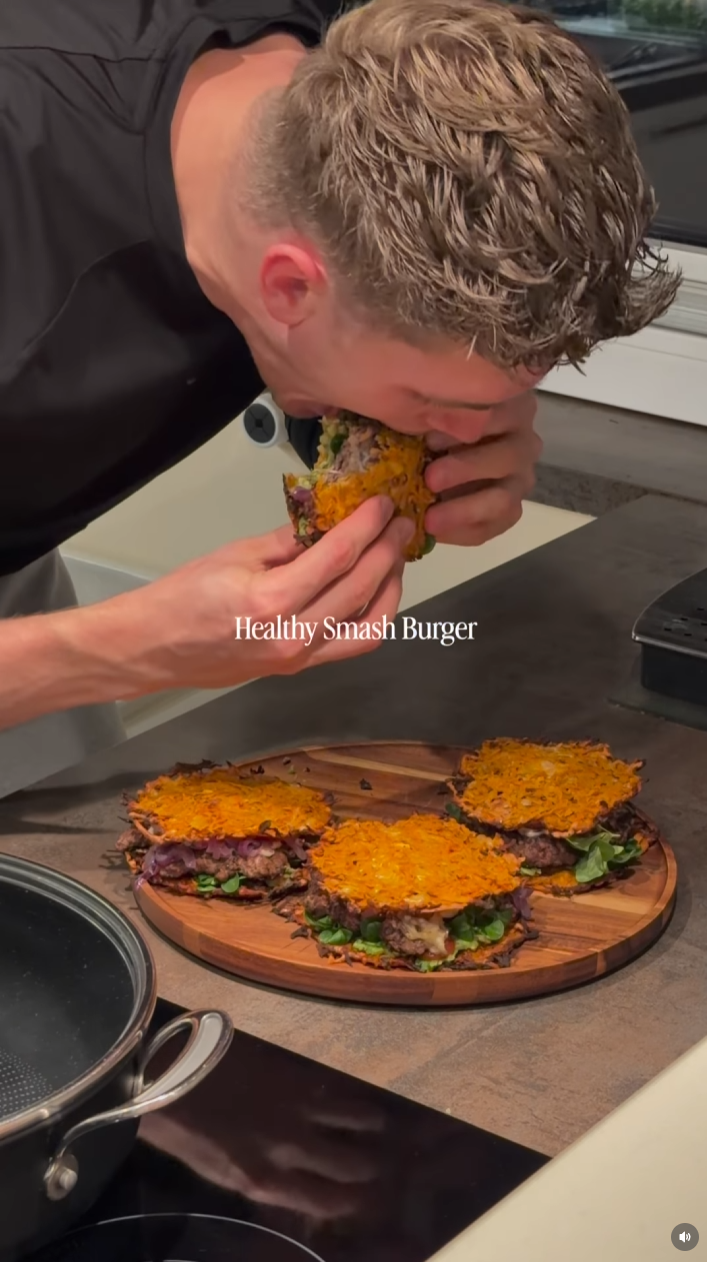
"Stop scrolling if you need a healthy dinner in under 10 minutes"
This is a direct-response classic adapted for the food niche. It works by pre-qualifying the viewer - only people who identify with the problem stop. That self-selection makes the downstream click and conversion intent much higher than a broad awareness hook. The specificity of "10 minutes" matters more than people realize; vague claims ("quick meals") perform worse because they don't create a concrete mental image.
Listicle / Education
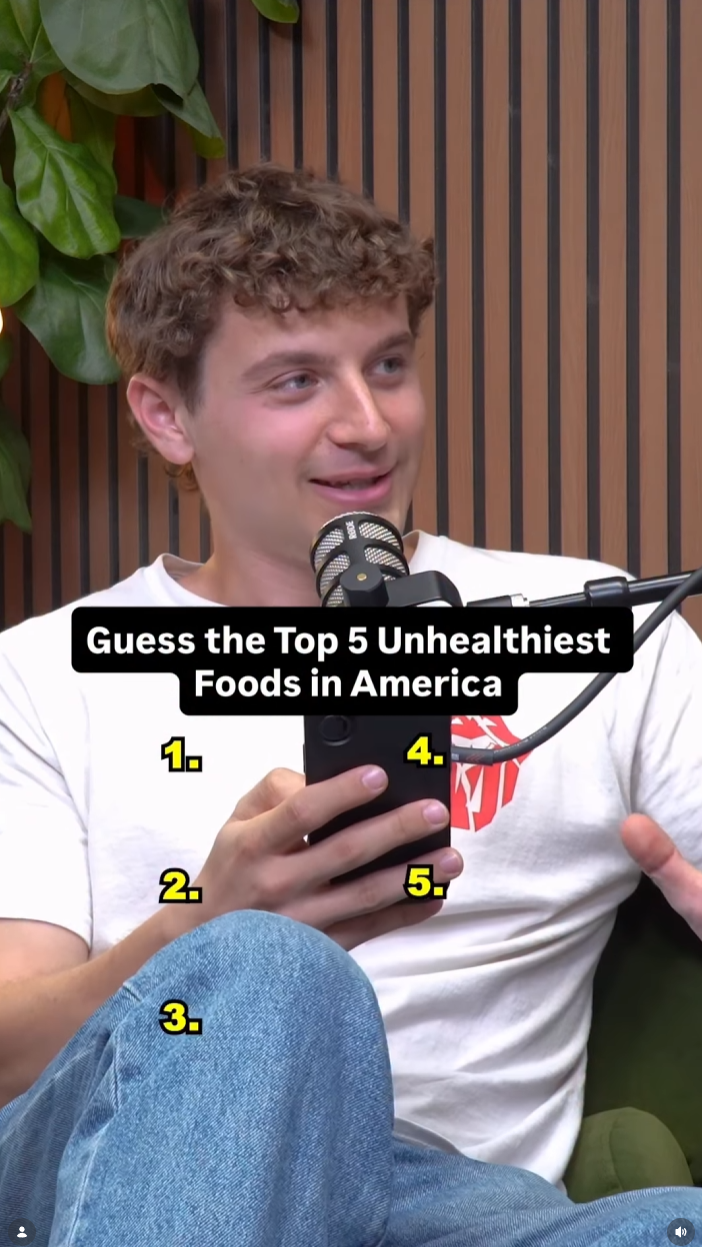
"3 things I'm never eating again after seeing this..."
Curiosity gaps and pattern interrupts. The viewer's brain wants to close the loop on the incomplete information. This hook has the highest watch time of any format in the food niche because it promises a revelation and then delivers it in an easily consumable list. It works best as a video format and pairs naturally with a transparency or ingredient story for health-focused brands.
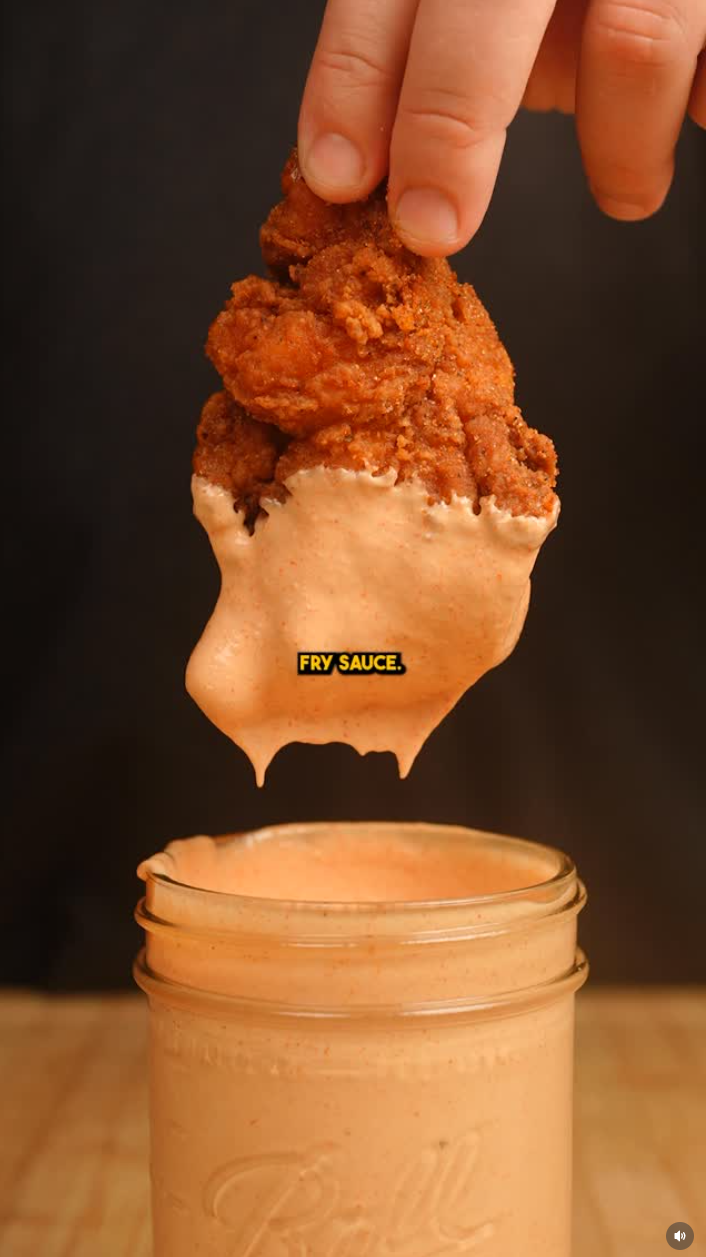
The Drip Visual
An extreme close-up of a sauce dripping onto food
Similar to the ASMR hook but more aggressive. Where ASMR is slow and meditative, the drip visual is immediate and visceral. The extreme close-up removes all context, and leaves just the food itself. This works particularly well on Meta's Reels and Stories placements where the screen is full-bleed and the close-up fills the viewer's entire field of vision. Hunger, activated.
The ICP question everyone asks wrong
A lot of people running Meta ads for food brands get stuck on the ICP vs. target market question, and it usually leads them toward over-targeting. They build narrow audiences based on interests and demographics and then wonder why their CPAs are climbing.
Here's the thing about Meta's current algorithm: broad often beats narrow. Your ICP isn't really a targeting instruction, it's a creative brief. When you know exactly who you're speaking to, the hook you write will find them. Meta's system is good enough now to identify the right people based on creative signal, not audience restriction.
That said, knowing your customer's emotional state at the moment of scroll is what the hook has to meet. A parent stressed about dinner at 5:30pm is a different person than that same parent browsing recipes on a Sunday afternoon. The convenience hook hits one, the aspirational POV hook hits the other. Neither requires granular targeting, they require creative that speaks to a specific moment, which the algorithm then matches to the right context.
The mistake most food brands make at the hook level
The single most common failure pattern I see is leading with the product instead of the feeling. "Our [Product] is made with [Ingredient] and [Claim]" is a product description, not a hook. It starts with the brand's priorities, not the viewer's.
The hooks that work consistently all start from the viewer's world - their craving, their skepticism, their desire for ease, their identity - and then connect to the product as the answer. The product earns its place in the ad by solving something the viewer was already thinking about.
The second mistake is treating the hook as separate from the creative. In the food niche especially, the visual hook and the copy hook need to tell the same story in the first two seconds. A great line paired with an irrelevant thumbnail loses. A mediocre line paired with a perfect cheese-pull shot usually wins. When in doubt, invest in the visual.
The Single Best System -
If you are tired of high costs, a free trial is probably just what you need. I will run all of your ads, and then, once you get great results, we switch to a performance basis. Split the sales. 0 cost up front.
Learn more here:https://affilicademy.com/10freeugc
Frequently asked questions
What makes a food ad hook different from hooks in other niches?
Food advertising is uniquely constrained because the primary sensory drivers — smell, taste, and texture — can't be transmitted through a screen. This means food hooks have to work harder at creating sensory proxy: using visuals, sound design, and psychological triggers like curiosity or identity to generate the same anticipation a person would feel walking past a bakery. In most other niches, you can lead with a benefit claim. In food, you lead with a sensation.
Is ICP the best targeting method for Meta food ads?
Not in the way most people use the term. ICP is most valuable as a creative tool — it tells you what emotional state, life context, and desire your hook needs to speak to. As a targeting instruction on Meta, narrow ICP-based audiences often underperform broad targeting now that Meta's algorithm has improved at matching creative signal to the right users. Think of your ICP as the invisible audience you're writing for, not a list of interest categories to check in Ads Manager.
How long should a food ad hook be?
In video, the hook needs to land within the first 1.5 to 2 seconds — which means your visual and any opening text need to create an immediate response before the viewer makes a scroll decision. For static image ads, the hook is effectively your headline and the first impression of your image together. Shorter is almost always better: one clean line of copy paired with a strong visual outperforms a paragraph of claims on a cluttered creative.
Which food ad hook works best for cold audiences?
Visual craving hooks — ASMR close-ups and drip visuals — tend to outperform copy-led hooks on cold audiences because they bypass skepticism entirely. Someone who has never heard of your brand won't trust a claim, but they will respond to a beautifully shot slow-motion pour of chocolate sauce. Once a viewer has engaged, transparency hooks and problem-solver hooks work well to move them from awareness toward consideration.
What's the difference between a target market and an ICP in food marketing?
Your target market is the broad population that could conceivably buy your product — for example, "adults aged 25–45 who cook at home." Your ICP is the specific person within that group who is most primed to convert: someone with a clear pain point, an existing habit your product improves on, and a reason to act now. In food marketing, the ICP distinction matters most at the hook level — it helps you write creative that speaks to a specific moment of desire or frustration rather than generic appeal.
Should I use UGC or produced content for food ad hooks?
Both work, and the best-performing food accounts use both intentionally. UGC-style content (unboxing hooks, testimonial-style openers) performs well for building trust and reducing skepticism, particularly for retargeting and for audiences who are comparison-shopping. Produced content — specifically high-quality slow-motion food cinematography — wins on cold traffic where the goal is to stop the scroll with a visceral visual response. Running both simultaneously and letting the data select is usually the right call.
Glossary
Ad Fatigue - full article
Ad fatigue occurs when an audience has seen the same creative repeatedly, leading to declining CTR and rising costs.
Algorithmic Optimization
The process by which Meta's delivery system learns from campaign data to show ads to users who are more likely to complete the desired action, such as a purchase or lead submission.
Broad Targeting - full article
An advertising configuration in which no manual audience filters — such as interests, demographics, or behaviors — are applied, allowing the algorithm to determine delivery based on its own user modeling.
CAC (Customer Acquisition Cost) - full article
CAC is the total cost required to acquire a new customer through advertising and marketing efforts.
Click-Through Rate (CTR) - full article
Click-through rate is the percentage of users who click on an ad after seeing it, indicating how compelling and relevant the ad is.
Conversion Rate - full article
Conversion rate is the percentage of users who take a desired action after clicking an ad, such as making a purchase.
Cost Per Acquisition (CPA) - full article
Cost per acquisition is the total cost required to generate a customer or conversion, combining traffic costs and conversion performance.
Cost Per Click (CPC) - full article
Cost per click is the average amount paid for each click, primarily influenced by CTR and CPM within the ad auction.
Cost Per Thousand Impressions (CPM) - full article
CPM is the cost to deliver 1,000 impressions, affected by competition, audience targeting, and engagement signals.
ICP- full article
Ideal Customer Profile, or the one person who your ads target specifically. This should be the perfect buyer for your product.
Learning Phase
The initial period of a Meta campaign during which the algorithm gathers data on user responses to optimize future delivery. Campaigns typically require a defined number of conversion events to exit this phase.
LTV (Lifetime Value)
LTV refers to the total revenue a customer generates over the duration of their relationship with a business.
LTV:CAC Ratio
This ratio compares customer value to acquisition cost and is used to determine whether marketing efforts are profitable.
LTGP (Lifetime Gross Profit)
LTGP measures the total profit generated by a customer after accounting for cost of goods sold over their lifetime.
Meta Ads - full article
Meta ads are paid advertisements run across platforms owned by Meta, including Facebook and Instagram.
Pixel Data
Behavioral data collected by Meta's tracking pixel installed on an advertiser's website, used by the algorithm to understand which types of users are most likely to convert.
ROAS (Return on Ad Spend) -full article
A performance metric calculated by dividing revenue generated from advertising by the total amount spent on those ads.